Discovering the Advantages of Kindergarten Programs: A Comprehensive Guide to Very Early Education And Learning
Kindergarten programs play a pivotal function in forming a youngster's very early academic experience. They offer an organized atmosphere where young learners can establish essential social abilities, psychological durability, and cognitive abilities. These foundational skills are crucial as kids move into even more official education. Comprehending exactly how these programs contribute to a kid's growth discloses much concerning their long-term academic trajectory. What certain advantages do these very early experiences use, and just how do they influence a child's future?
The Importance of Social Skills Development
While numerous facets of very early education concentrate on academic abilities, the development of social skills in kindergarten programs is similarly vital. Social abilities include the capability to communicate properly, team up with peers, and navigate social scenarios, every one of which are crucial for a child's general development. In preschool, kids find out to share, take turns, and deal with disputes, fostering a feeling of area and belonging. These experiences allow young learners to create and form relationships compassion, laying the foundation for favorable relationships in the future.
Educators play an essential role in helping with social ability growth through structured tasks and directed interactions. Through team tasks and play, youngsters exercise crucial skills such as listening, working out, and recognizing varied viewpoints. These interactions help kids develop self-confidence and self-esteem, crucial parts for their personal and scholastic trips. Generally, supporting social abilities in preschool enhances youngsters's experiences and prepares them for the intricacies of social life beyond school.

Building Psychological Resilience in Young Learners
Structure psychological strength in young learners is fundamental to their total wellness and success in different elements of life. Preschool programs supply a structured setting where kids can find out to browse their emotions efficiently. With led interactions and activities, teachers aid youngsters recognize and reveal their feelings, cultivating a feeling of self-awareness.
Furthermore, these programs frequently consist of methods for dealing with obstacles, such as analytical activities and role-playing situations that prepare youngsters for real-life scenarios. By motivating cooperation and compassion, young learners develop solid social connections, which are necessary for psychological support.
Educators play an essential duty in modeling resilience by demonstrating how to manage stress and anxiety and hardship. As children observe these behaviors, they internalize important coping mechanisms, equipping them to handle future psychological troubles with better simplicity. On the whole, nurturing psychological strength in early education and learning lays a solid foundation for long-lasting psychological wellness and versatility.
Enhancing Cognitive Abilities Via Structured Learning
As children take part in structured discovering experiences within kindergarten programs, their cognitive abilities are substantially enhanced. These programs present age-appropriate tasks that promote vital reasoning and problem-solving skills. For instance, hands-on activities such as puzzles and building blocks promote spatial understanding and logical reasoning.
Interactive narration and group discussions foster language growth, increasing vocabulary and comprehension. With structured regimens, youngsters learn to adhere to directions, improving their exec working skills, which are necessary for future academic success.
Social communications within these programs additionally play a substantial function, as children find out to work together and interact properly, further enhancing cognitive development.
In addition, integrating play-based discovering enables youngsters to check out principles in a fun and engaging way, enhancing their understanding and retention of understanding. In general, organized understanding in preschool lays a solid structure for cognitive growth, preparing kids for the difficulties of college.
Promoting a Love for Lifelong Knowing
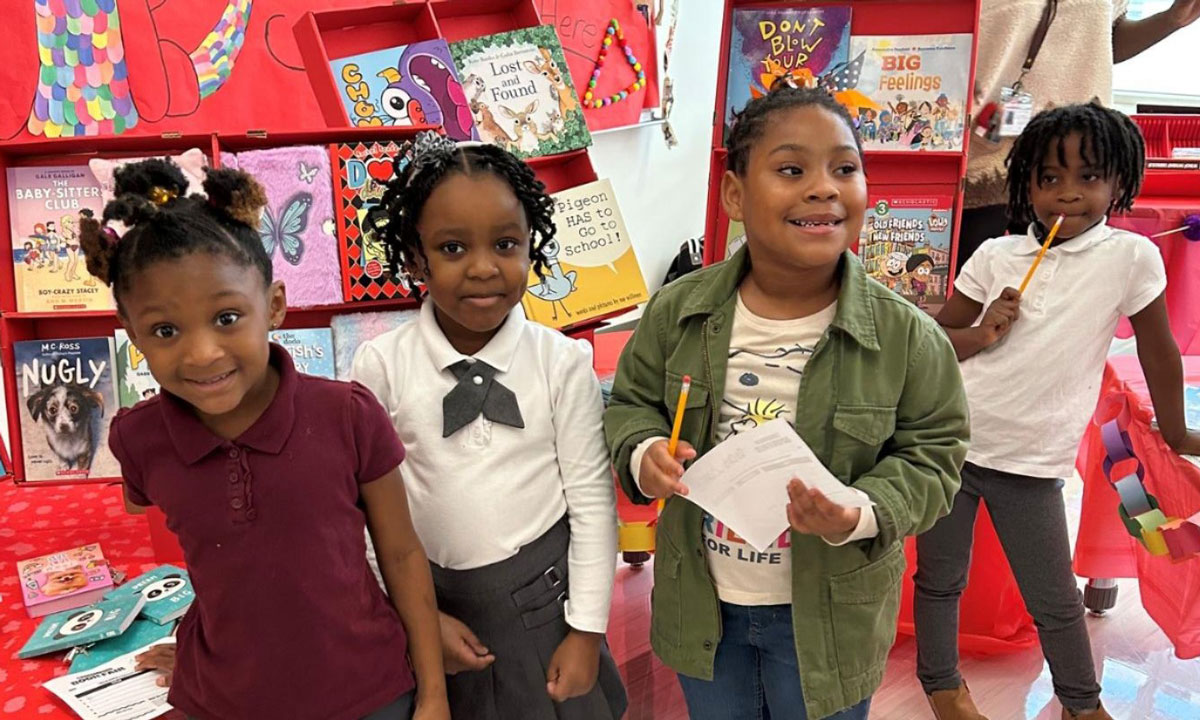
Furthermore, positive communications with educators and peers contribute to an environment where discovering is considered as delightful and fulfilling. This encouraging ambience assists instill intrinsic motivation and reinforces go the concept that education is a continuous trip instead of a destination.
As children discover their strengths and passions, they are most likely to go after expertise beyond the class, laying the foundation for a lifelong dedication to discovering. Ultimately, kindergarten programs play a vital function in shaping enthusiastic learners that embrace educational opportunities throughout their lives.
Getting Ready For Future Academic Success
While foundational abilities are important for early students, preschool programs likewise play an essential duty in preparing children for future scholastic success. These programs present vital ideas such as proficiency and numeracy, ensuring that youngsters develop the cognitive capacities necessary for even more innovative knowing. By engaging in structured activities, trainees boost important thinking and problem-solving abilities, laying a solid foundation for their academic trip.
Kindergarten cultivates social-emotional development, enabling children to navigate collaborative jobs and develop connections with peers. This joint setting instills a sense of belonging and increases self-confidence, which is crucial for scholastic perseverance.
Furthermore, direct exposure to diverse knowing experiences in kindergarten grows versatility, like this furnishing children to deal with various subjects and obstacles in subsequent qualities (Private School). Eventually, by providing a versatile very early education and learning, kindergarten programs ensure that kids are not only prepared for first grade but additionally prepared for continued scholastic accomplishment throughout their instructional jobs
Regularly Asked Questions
What Age Is Ideal for Starting Preschool Programs?
The ideal age for beginning preschool programs is usually between five and six years old. This age permits kids to develop crucial social, psychological, and cognitive skills, preparing them for future academic success and personal growth.
Just how Do I Select the Right Kindergarten Program for My Kid?
To pick the best kindergarten program, one need to think about variables such as curriculum, instructor credentials, course dimension, location, and the college's viewpoint. Observing the setting and celebration feedback from other parents can likewise be helpful.
Exist Any Type Of State Needs for Preschool Enrollment?
Many states have certain demands for preschool enrollment, including age restrictions and paperwork such as birth certifications or evidence of residency (Private School). Parents must consult their local education and learning authority to comprehend the exact requirements in their location
What Should Parents Expect Throughout a Normal Kindergarten Day?
During a common preschool day, parents can anticipate organized tasks including circle time, imaginative play, fundamental academic lessons, treat breaks, and social interaction, all created to cultivate understanding and growth in a nurturing atmosphere.
Exactly How Can Parents Support Learning at Home in Enhancement to Kindergarten?
Moms and dads can sustain discovering in the house by participating in routine analysis, incorporating educational games, establishing a constant routine, urging inquisitiveness via questions, and developing a positive, nurturing environment that view cultivates exploration and imagination.
Preschool programs play a crucial role in shaping a kid's early academic experience. Kindergarten programs supply a structured atmosphere where kids can find out to navigate their feelings successfully. As kids involve in organized knowing experiences within kindergarten programs, their cognitive abilities are considerably enhanced. By appealing youngsters in varied activities-- such as narration, hands-on experiments, and joint tasks-- kindergarten programs grow curiosity and expedition. While foundational abilities are critical for very early students, kindergarten programs likewise play a vital role in preparing kids for future scholastic success.
Comments on “Understanding the link between Kindergarten and personal growth”